Guide
Creating a care routine at home
Making a care routine can feel overwhelming, especially the first time. This guide helps you plan private-pay, non-medical in-home support—step by step—so you can choose help that fits your loved one’s day.
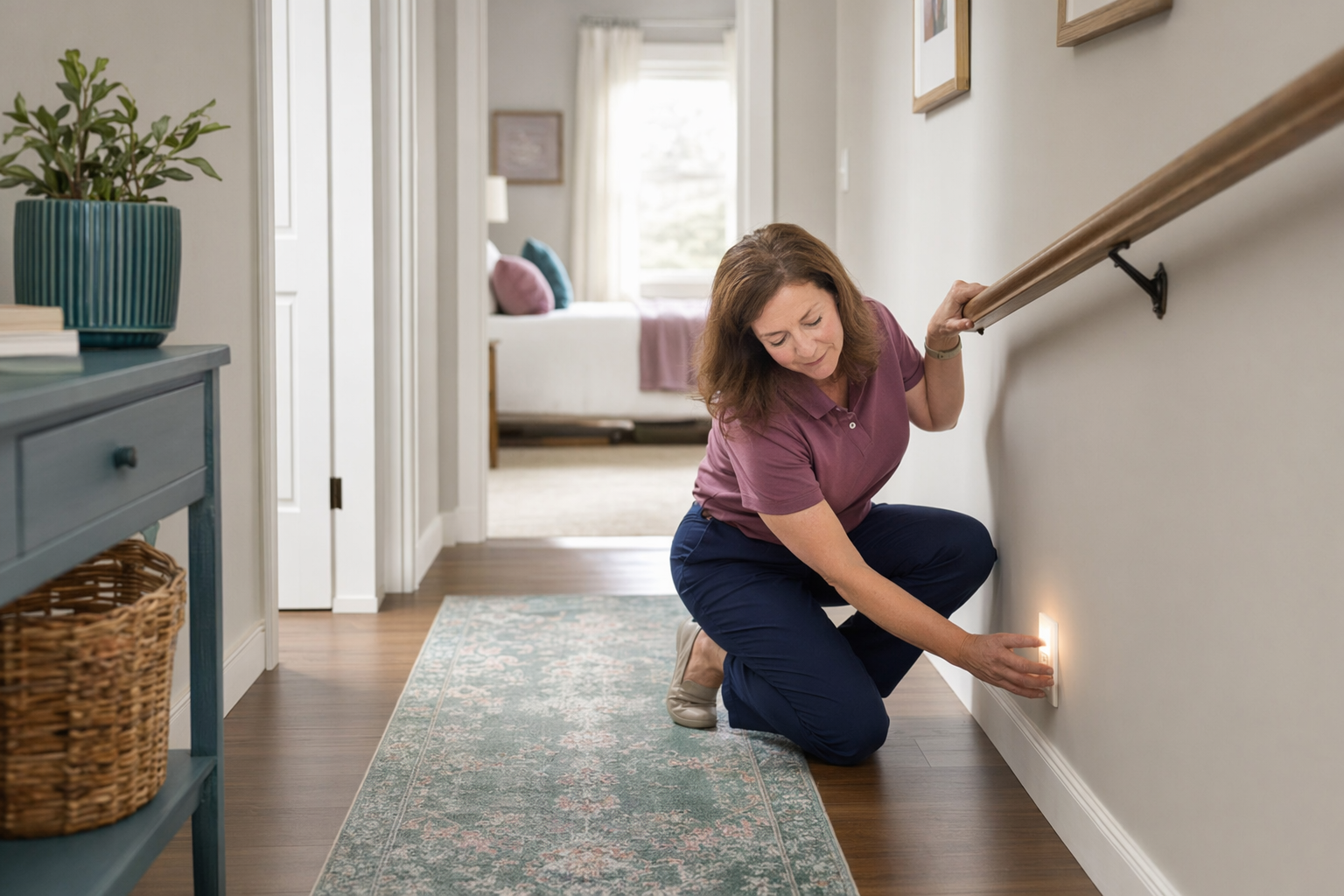
Start with the “day, not the condition” plan
A good care routine focuses on what needs to happen each day: meals, bathing, moving around safely, errands, reminders, and getting restful time. Instead of trying to solve everything at once, you can build a routine in small pieces.
Care Alongside helps families find private-pay, non-medical in-home care—companionship, homemaking, personal-care support, respite (short-term help for a family break), and overnight or live-in support. We do not provide medical care or coordinate Medicare or Medicaid services.
Before you contact a provider, take a calm look at one typical day. Write down:
- What your loved one does well
- What feels hardest (timing, energy, safety, fatigue)
- Where you as a family caregiver need relief
Then decide what help is needed, how often, and who can cover it—this becomes the foundation of your routine.

Map your needs into simple care tasks
Care terms can sound complicated, but you can think of them as everyday tasks. Here are common categories of private-pay, non-medical in-home support:
• Companionship: staying with your loved one, conversation, reading, playing games, and supportive presence.
• Homemaking: cooking meals, light housekeeping, laundry, and running errands.
• Personal-care help: assistance with bathing, dressing, grooming, toileting, and mobility support.
• Respite care: short-term help that gives family caregivers time to rest, work, or handle appointments.
• Overnight and live-in support: care during evenings and nights, including 24-hour coverage when needed.
When you make your routine, it helps to separate “daily care” from “coverage needs.” Daily care is the work that must happen (for example, help with bathing). Coverage needs are the times you most need support (for example, afternoons when you’re at work).
If your loved one needs language support, that’s a very normal part of the routine. Many families ask for caregivers who speak their own language—this can make conversations and directions easier and more natural.
Build a routine by time blocks (morning, afternoon, evening, night)
Most families find it easier to plan in time blocks. You can list tasks under each block and decide what support you need for each.
Morning example (typical needs): wake-up support, bathroom/toileting help if needed, getting dressed, breakfast, medication reminders if your loved one has them arranged (non-medical assistance like reminders), and getting ready for the day.
Afternoon example: meals or snacks, light housekeeping, companionship, a short walk or mobility support, errands, and check-ins for comfort and safety.
Evening example: dinner support, helping with hygiene and dressing for the evening, planning tomorrow’s needs, and calming activities.
Night example: overnight supervision, help with bathroom needs, and keeping the home safe for sleep. If overnight care is needed, consider how staff should be scheduled (for example, shifts) and what “good enough” comfort looks like.
As you build, keep asking one question: “What must be done, and what can be flexible?” Flexible items are great for a first routine—until you learn what works best in your home.
Choose the right help level—and be realistic about coverage
Your routine should match the level of help without over-committing at the start. Many families begin with a smaller schedule, then adjust once they see how the days actually go.
Typical private-pay ranges (very approximate, varies a lot by city/state and by experience) help you plan:
- Companion or homemaker support: about $25–$40 per hour
- Personal-care aide support: about $28–$45 per hour
- Live-in or 24-hour care: about $300–$450 per day
Many families spend a few hundred to a few thousand dollars per month depending on hours and care needs. These are general estimates for budgeting—not quotes or guarantees.
If you’re comparing options, also think about timing. A caregiver who comes during the hardest hours (for example, late afternoon) may help more than a long schedule at a different time. For some families, respite care for a few days a week is the best first step, while others prefer overnight or daily support.
For guidance on provider selection, review how to choose a home care provider and then use cost planning tools to estimate what hours might look like in your area.
Prepare your home and communication so the routine “runs”
A care routine works best when the home and communication are set up clearly. Small details reduce stress for everyone.
Consider creating a simple “care at a glance” sheet for the caregiver. It can include:
- Usual schedule (meals, showers/bathing times if any)
- Mobility basics (what helps your loved one move safely)
- Comfort preferences (music, lighting, language, routines)
- Where things are (toiletries, clean clothes, snacks, keys)
You can also set expectations for how you and the caregiver will communicate. Many families pick a daily check-in (in person or by phone/text) to confirm what happened and what’s planned next.
If you’re arranging care in a language other than English, it’s okay to be direct. You can ask about caregiver language comfort early—because it affects how smooth the routine feels.
Start the matching conversation with clear, non-medical needs
When families contact a matching service, it helps to describe needs in everyday terms. You do not need to share medical records or clinical details.
Focus on questions like:
- What support is needed (companionship, homemaking, personal-care help, respite, overnight/live-in)?
- When is the help needed (days/times and how many hours)?
- Are there language preferences?
- What would make care feel respectful and safe in your home?
Care Alongside is a free matching service, not a home-care agency. We help you understand options and find in-home caregivers or providers that fit your routine goals.
If you want to get started, use get matched to share what kind of help you’re looking for and what your typical schedule looks like. You can then compare choices calmly and choose what feels right for your family.
Plan your care by daily time blocks, match the right private-pay non-medical support level, and use Care Alongside (free) to find options that fit your routine and language needs.
Questions families ask
Does Medicare or Medicaid cover in-home care so I can build a routine?
How do I decide between companionship, homemaking, and personal-care help?
What should I ask a provider during the first call?
Will the caregiver speak my language or help with translation?
Is it normal to feel unsure about starting care?
Keep reading
How Much Does In-Home Care Cost?
How Much Does In-Home Care Cost? — clear, honest information for families comparing private-pay
Read more →GuideHow to Pay for In-Home Care
How to Pay for In-Home Care — clear, honest information for families comparing private-pay in-ho
Read more →GuideLong-Term Care Insurance & Home Care
Long-Term Care Insurance & Home Care — clear, honest information for families comparing private-
Read more →Find the right help, with someone in your corner
Tell us what your family needs. We'll match you, free, with vetted in-home care providers near you — including ones who can speak your language. No medical records, no pressure.
Get matched, freeFree for families. No medical records. No pressure.