Type of in-home care
Personal-Care Aides (Hands-On Help): what it is, who it suits, and a general cost range
Personal-care aides provide hands-on, non-medical help at home—like bathing, dressing, and mobility support. Care Alongside is a free matching service to help you find the right provider near you.
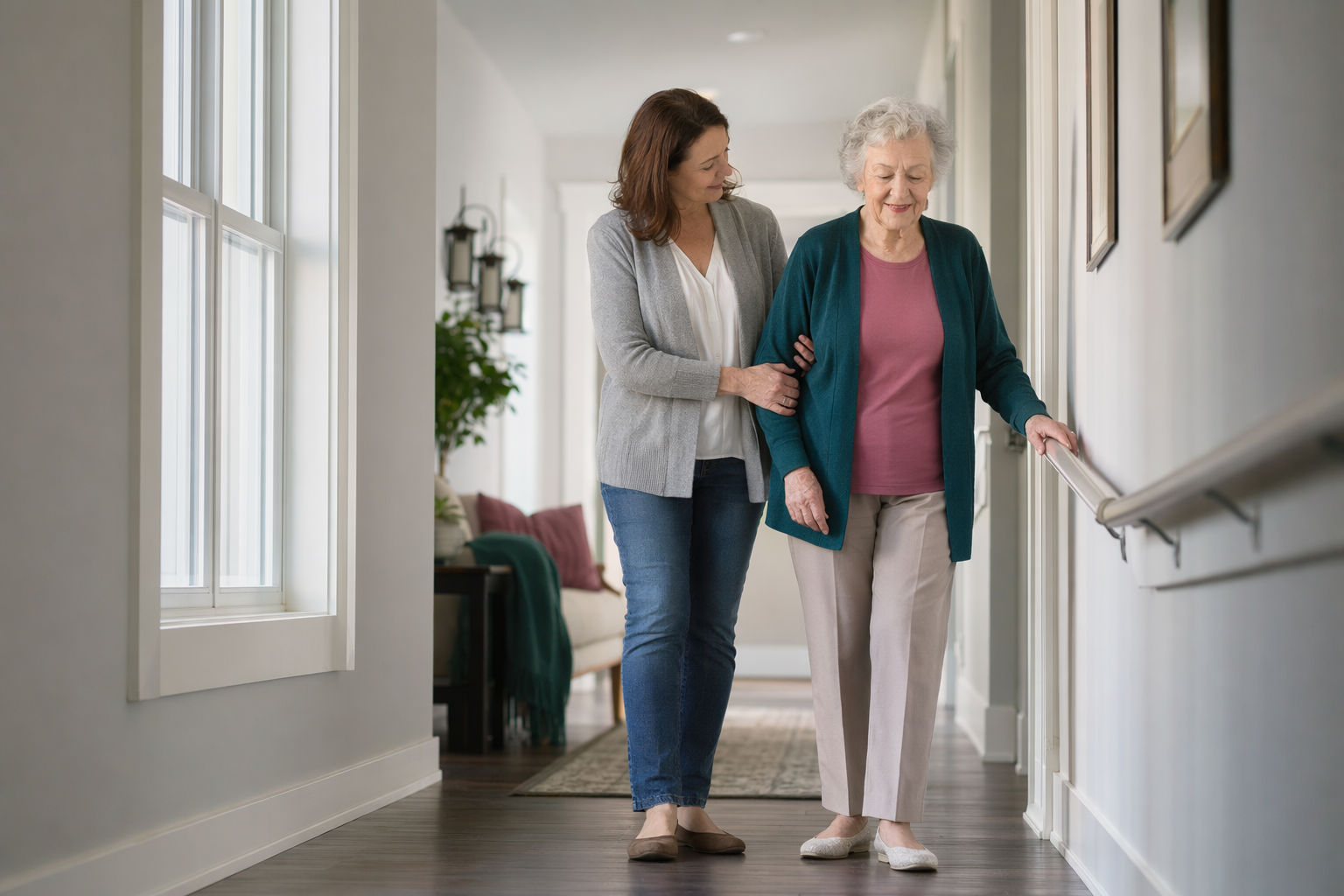
What a personal-care aide is (and what they do)
A personal-care aide is a trained caregiver who helps your loved one with everyday, hands-on tasks at home. This is non-medical, private-pay support—focused on comfort, safety, and daily functioning.
Common help includes bathing or shower support, dressing, toileting assistance, help getting in and out of bed or chairs, help with walking or transferring, and basic grooming. Some aides also help with related daily routines like meal support, reminders, light housekeeping, and errands—depending on the plan you choose.
Because each family’s needs are different, the exact duties can be tailored. For example, one person may need standby help with mobility, while another may need more hands-on assistance. Care Alongside helps you match with providers who can support the type of help you want.
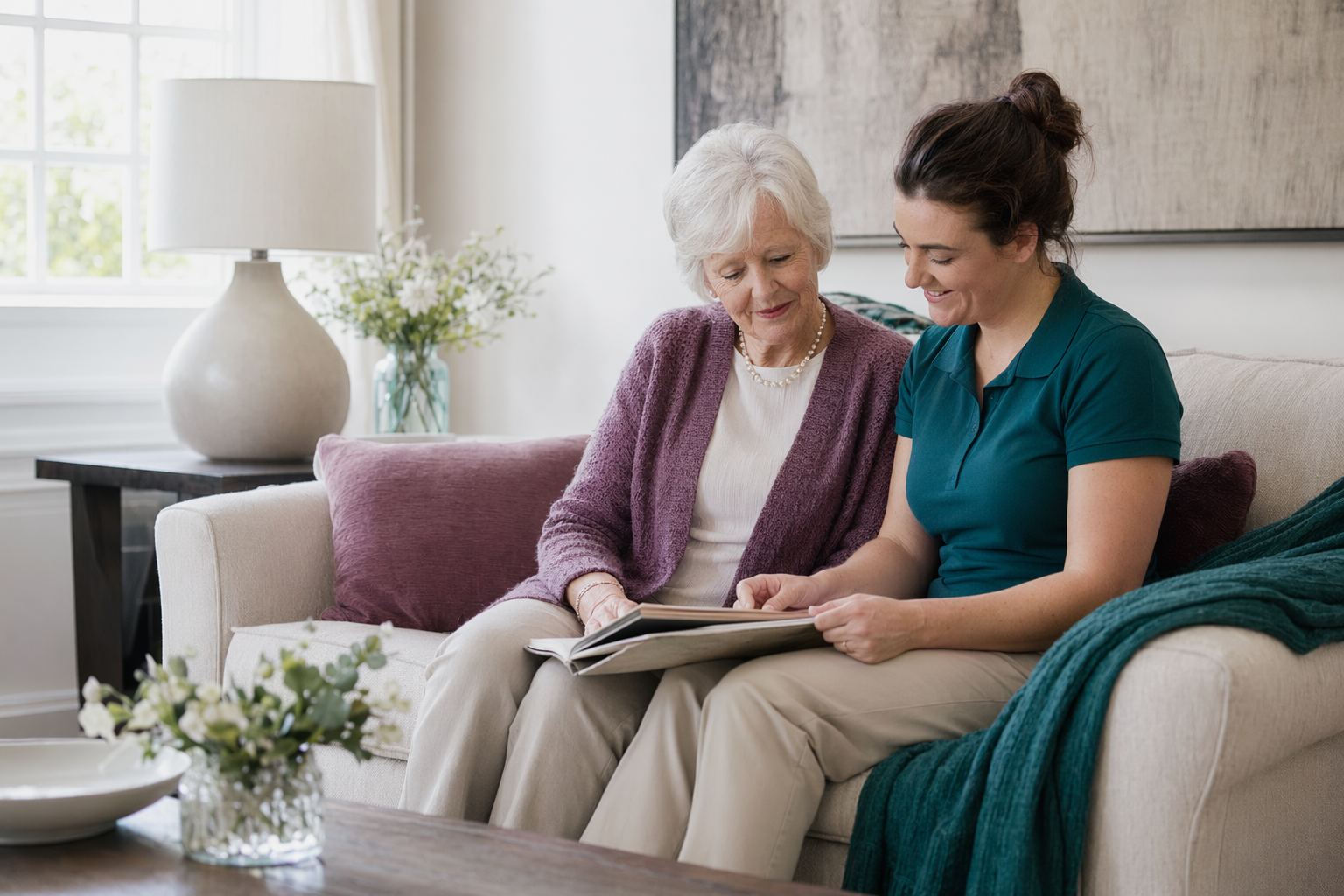
Who personal-care aides are a good fit for
Personal-care aide support can be a good fit when your loved one needs more than companionship or basic homemaking, but you’re not looking for medical home health. It often helps with aging needs, recovery after an illness, or day-to-day support for conditions like limited mobility.
Families commonly look for personal-care aide help when:
- A parent or partner is safer with support for bathing, dressing, or toileting
- Mobility has changed and you want help with transfers or walking
- A caregiver needs structured help so family members can rest and continue working or managing other responsibilities
If you’re unsure whether hands-on help is needed, that’s okay. Many families start by describing daily routines and the specific tasks that feel hardest or most risky, then match from there.
If you’re also wondering about Medicare or Medicaid: those are separate programs with specific rules and limits. Care Alongside does not arrange or coordinate Medicare home health or Medicaid care. For help with those programs, it’s best to contact your doctor or your state program/SHIP counselor directly.
What “hands-on help” can look like in real life
Hands-on care is more than physical assistance—it also includes dignity, patience, and a calm routine. A good personal-care aide will support the whole moment, not just the task.
Here are a few examples of how support is often organized:
- Morning routine: help with getting out of bed, toileting, washing, dressing, and getting ready
- Mobility support: safe assistance with walking, transfers, and using mobility aids if the plan includes it
- Evening routine: dressing changes, bedtime setup, and (when needed) overnight support
Many families combine personal-care aide hours with other non-medical help like homemaking or companionship. You can choose the plan that matches your schedule—part-time, evening help, weekend support, overnight support, or sometimes live-in/24-hour coverage.
If your loved one has trouble staying independent, you may also look for respite care—short-term help that gives you a break. Respite can make caregiving more sustainable.
General cost range (typical US estimates)
Cost for personal-care aide support varies a lot by city/state, the number of hours, the level of hands-on help needed, and the specific provider’s experience. These are typical ranges to help you plan—not quotes or guarantees.
In many US areas, companion or homemaker-style help often runs roughly $25–$40 per hour. Hands-on personal-care aide support is often higher, commonly around $28–$45 per hour.
If you’re considering live-in or 24-hour support, typical daily ranges are often roughly $300–$450 per day. Many families spend a few hundred to a few thousand dollars per month depending on weekly hours and the amount of hands-on care.
To understand what you might pay locally, it helps to check costs and then match with a provider through get-matched. The provider can explain their rates for the schedule you want.
How to find the right provider near you (without guesswork)
Care Alongside is a free matching and information service, not a home-care agency. We help families understand their options and connect with private-pay, non-medical in-home care providers.
A helpful starting point is deciding what “good help” means for your household. Consider what tasks need hands-on support and what times of day are most difficult. For example: mornings, bathing days, weekends, or overnight safety.
Then, use a short checklist to compare providers. For guidance, see how to choose a home-care provider. Look for clear communication, respect and reliability, and a care plan that matches your needs.
If language matters, it’s often possible to find caregivers who speak the family’s preferred language. When you get matched, you can share the type of help you want and the language you’d feel most comfortable with.
Also explore types of non-medical care so you can choose the right support level—personal care aide, homemaking, companionship, respite, overnight, or live-in.

Before you start: questions to prepare for a hard conversation
Talking about care can feel emotional. It’s normal to worry about dignity, independence, and how your loved one will react. Planning your words ahead of time can make the conversation gentler.
Try starting with choice and respect. Many families find it helps to say you want support so your loved one can stay at home safely and comfortably. You can also frame care as partnership: “We’ll arrange help for the parts that are hardest for you—and we’ll keep your routine your routine.”
Before meeting a provider, prepare a few clear questions such as:
- What tasks do you provide personal-care aide support for?
- How do you handle bathing, dressing, or mobility support safely?
- How do you communicate about changes in routine or what’s working?
- What schedule can you cover (for example, mornings, evenings, weekends, overnight)?
If you want a structured plan, review how to choose a home-care provider and take your time. Good matches often take a few steps, and it’s okay if you don’t feel certain at first.
Personal-care aides provide non-medical, hands-on help at home, and Care Alongside is a free way to match with the right provider and understand typical costs in your area.
Questions families ask
Is a personal-care aide the same as medical home health?
How do I know if my loved one needs a personal-care aide or a companion/home-maker?
What kind of help can I expect with bathing and dressing?
Do caregivers help with medication?
How much does personal-care aide support usually cost?
How does Care Alongside help me find someone?
Other kinds of in-home care
Companion Care: what it is, who it suits, and a general cost range
What companion care means, who it's a good fit for, a general cost range, and how to find a prov
Read more →Type of careHomemaker & Household Help: what it is, who it suits, and a general cost range
What homemaker & household help means, who it's a good fit for, a general cost range, and how to
Read more →Type of careRespite Care (A Break for Family Caregivers): what it is, who it suits, and a general cost range
What respite care (a break for family caregivers) means, who it's a good fit for, a general cost
Read more →Find the right help, with someone in your corner
Tell us what your family needs. We'll match you, free, with vetted in-home care providers near you — including ones who can speak your language. No medical records, no pressure.
Get matched, freeFree for families. No medical records. No pressure.