Type of in-home care
Overnight Care: what it is, who it suits, and a general cost range
Overnight care is private-pay, non-medical help in the home during the night. It can bring peace of mind when a loved one is unsafe alone, and it often gives family caregivers a much-needed rest.
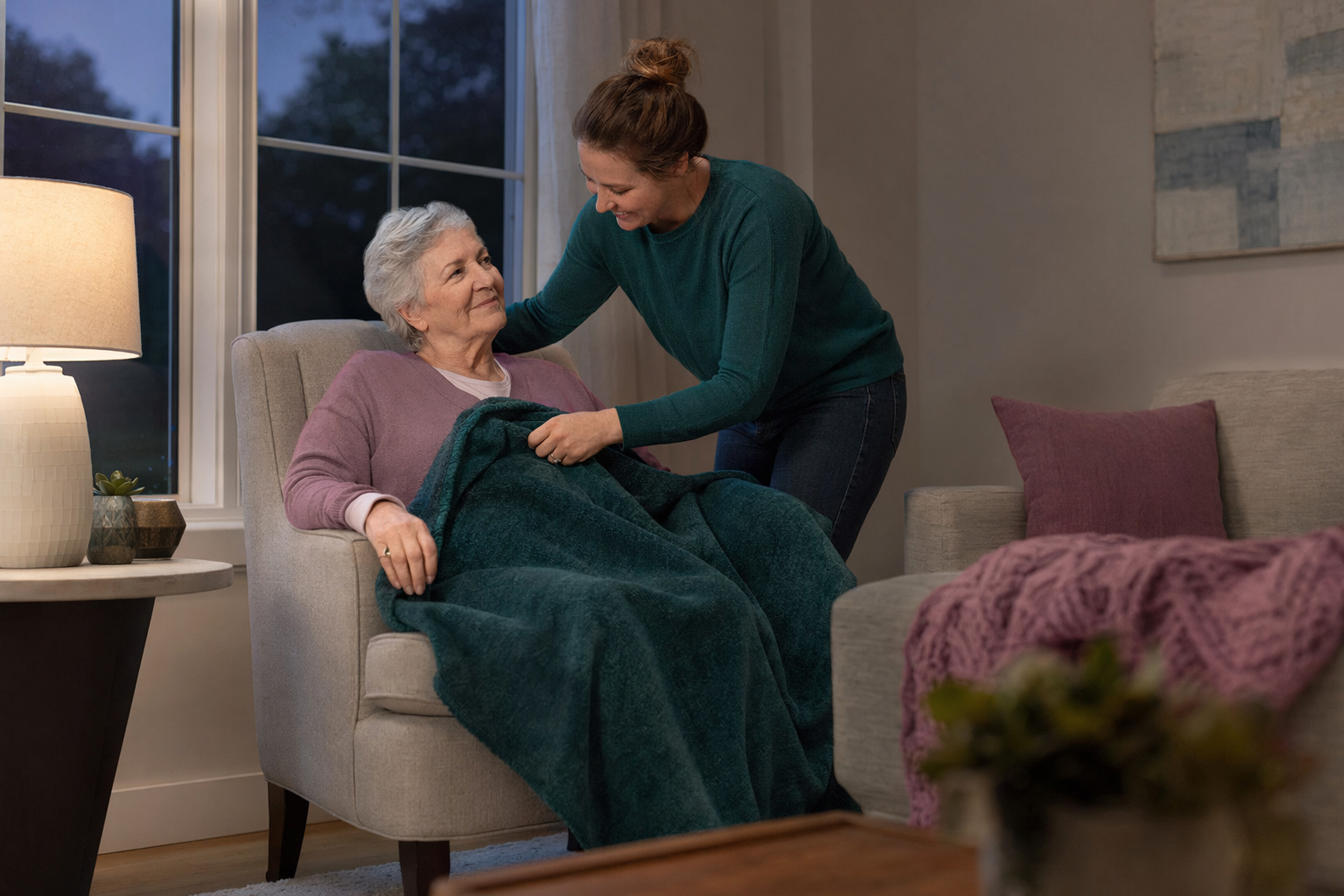
What overnight care means
Overnight care means a caregiver stays through the night to help with safety, comfort, and routine needs. This can include companionship, helping someone get to the bathroom, offering a drink, reminding them to use a walker, or settling them back to sleep.
It is different from medical care. Overnight care is non-medical support, so it does not replace a nurse or a doctor. It is usually for families who want help at home, not a hospital setting.
You may also hear terms like "awake overnight," which means the caregiver stays alert all night, or "sleep shift," which usually means the caregiver can sleep when things are quiet but is there if help is needed.

Who overnight care is a good fit for
Overnight care can be helpful for older adults who wake up often, feel anxious at night, need help moving safely, or are at risk of falls. It can also be a good fit for people recovering from surgery or illness who need extra support after dark.
Families often look for overnight help when they are worried about a loved one being alone, or when one family member is doing too much care during the day and night. A few nights of support can make a hard time feel more manageable.
It is also common for families caring for someone with memory loss or dementia to consider overnight support, especially if the person wanders, gets confused at night, or needs calm reassurance. If you are unsure what level of help fits best, how to choose a home care provider can help you think it through.
What an overnight caregiver may help with
An overnight caregiver can help with practical, everyday needs that come up after bedtime and before morning. The exact support depends on the person and the care plan.
This may include:
- Helping with toileting or bathroom trips
- Offering light personal care, such as help with dressing or getting settled for bed
- Making sure water, a phone, or a light is within reach
- Supporting safe walking or transfers
- Providing companionship and reassurance
- Helping with simple household tasks tied to the night routine
If a family needs help with bathing, dressing, meals, or errands during the day too, that may be part of a broader in-home care plan. Care Alongside helps families find private-pay, non-medical help that fits their needs.
How much overnight care usually costs
Overnight care costs vary a lot by city, state, hours, and the level of support needed. As a general planning range, live-in or 24-hour care is often about $300-$450 per day. Some overnight shifts may cost less or more depending on whether the caregiver is awake all night or only on call.
For many families, the monthly cost can add up to a few hundred to a few thousand dollars, depending on how many nights of help they need. Companion or homemaker help is often around $25-$40 per hour, and personal-care aide help is often around $28-$45 per hour, though local rates can be outside these ranges.
These are only typical ranges, not quotes. The real cost depends on the hours, the amount of care needed, the provider, and your location. You can read more about common price patterns on our costs page.

How to find the right overnight help
It helps to be clear about the kind of night support you want before you start calling providers. Think about whether the person needs someone awake, whether there are stairs or bathroom trips at night, and whether language matters for comfort and trust.
Many families feel relieved to know they may be able to find caregivers who speak their language. That can make the first conversations easier, especially when care feels new or sensitive.
Care Alongside is a free matching service, not a home-care agency. We help families understand private-pay options and connect with providers that may be a fit. If you want help getting started, get matched.
Overnight care is private-pay, non-medical help at night for safety, comfort, and peace of mind, with costs that vary widely by area and hours.
Questions families ask
Is overnight care the same as 24-hour care?
Does overnight care mean the caregiver is awake all night?
Can overnight care help after surgery?
How do I know if overnight care is worth it?
Other kinds of in-home care
Companion Care: what it is, who it suits, and a general cost range
What companion care means, who it's a good fit for, a general cost range, and how to find a prov
Read more →Type of carePersonal-Care Aides (Hands-On Help): what it is, who it suits, and a general cost range
What personal-care aides (hands-on help) means, who it's a good fit for, a general cost range, a
Read more →Type of careHomemaker & Household Help: what it is, who it suits, and a general cost range
What homemaker & household help means, who it's a good fit for, a general cost range, and how to
Read more →Find the right help, with someone in your corner
Tell us what your family needs. We'll match you, free, with vetted in-home care providers near you — including ones who can speak your language. No medical records, no pressure.
Get matched, freeFree for families. No medical records. No pressure.